What liquidation pallets are, and what is really inside one
The short answer
A liquidation pallet is a bulk lot of goods a retailer or manufacturer could not sell normally: customer returns, overstock, shelf pulls or salvage, stacked on a pallet and sold to resellers. What matters is the condition mix and whether a manifest lists every item.
Typical labels. Each seller defines its own; read theirs.
Where do liquidation pallets come from?
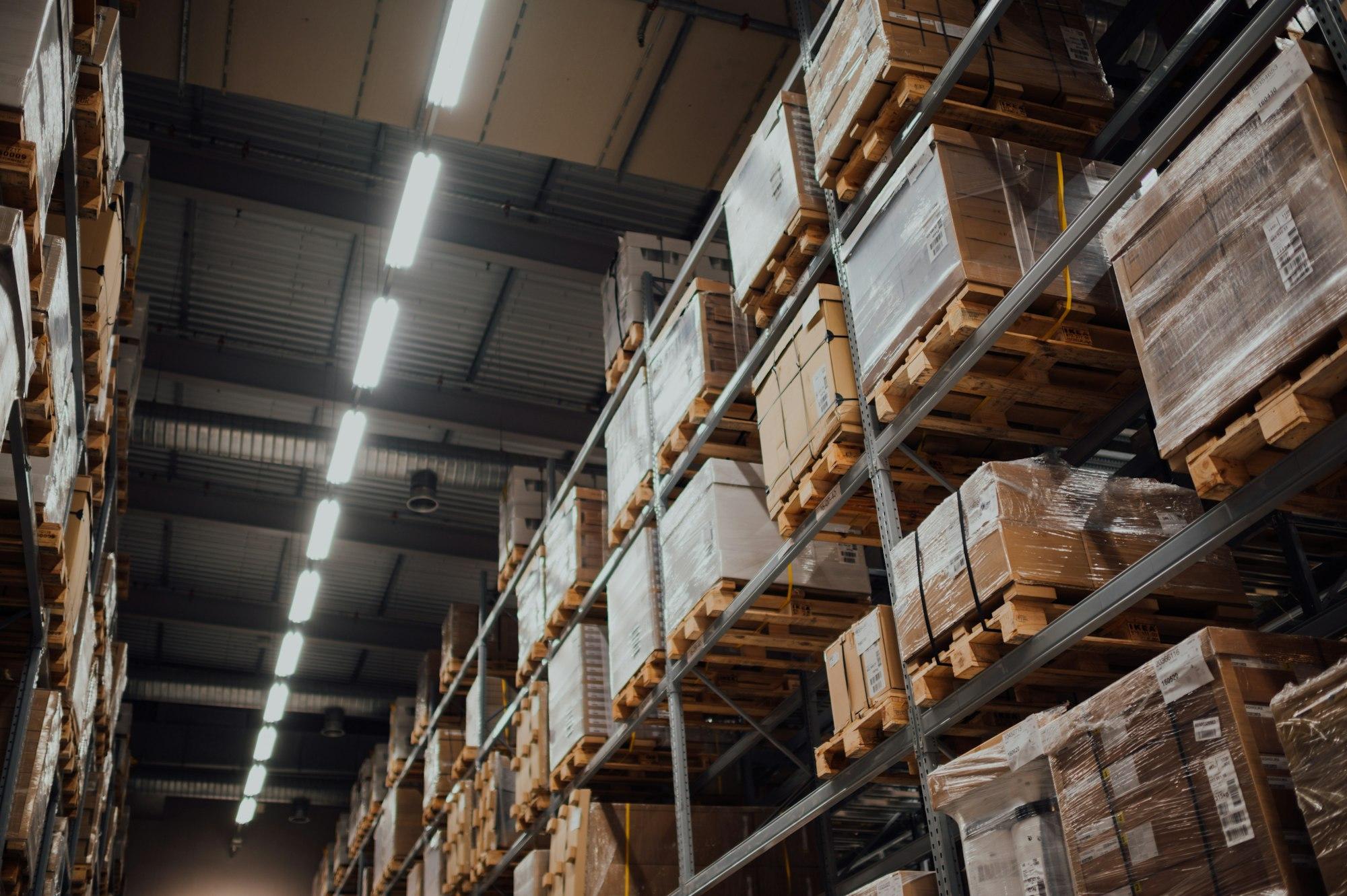
Retailers, online marketplaces and manufacturers end up with stock they cannot sell through their normal shelves: items customers sent back, seasonal or discontinued overstock, display stock and damaged goods. Rather than store or destroy it, they sell it in bulk, by the box, pallet or truckload, through their own auction storefronts or to liquidation companies.
That bulk stock reaches resellers through a few channels. Some big retailers sell it themselves through official storefronts run on B-Stock; Amazon’s storefront, for example, lists overstock, customer returns and warehouse-damaged inventory as its inventory types (B-Stock). Others sell to liquidators, who re-sort and re-sell it, or to marketplaces such as Liquidation.com.
What is the difference between customer returns, overstock and shelf pulls?
Overstock is new stock a retailer simply had too much of. Shelf pulls were on display or listed but never sold, so they are usually unused with some handling. Customer returns were bought and sent back, so they range from unopened to broken. Salvage is damaged or for parts. Most mixed pallets combine several of these.
| Type | What it is | Typical condition | What to check |
|---|---|---|---|
| Overstock | Excess new inventory | New, often sealed | Is it seasonal or discontinued? Will it still sell? |
| Shelf pulls | Displayed or listed, never bought | Unused; packaging may be worn | Missing accessories, store stickers, faded boxes |
| Customer returns | Bought, then sent back | Anything from like new to broken | Tested or untested? What share is functional? |
| Salvage | Damaged, defective or for parts | Not working as sold | Parts value, recall status, disposal cost |
Via Trading, a liquidator in business since 2002 by its own account, describes the same three main kinds on its product conditions page: new overstock as “new, unused excess inventory”, customer returns as mixed-condition goods sent back by consumers, and shelf pulls as generally new and unused, though they may show retail handling.
What is the difference between a manifested and an unmanifested pallet?
A manifested pallet comes with a list of its contents, usually SKU or UPC, description, quantity, retail price and sometimes condition. An unmanifested pallet does not, so you buy on a category and a photo. Manifests let you price a lot line by line before you bid; unmanifested lots are cheaper to buy into and harder to value.
Even a manifest is not a promise of exactly what will arrive. Amazon’s storefront on B-Stock, for example, says items may be missing when an order is packed, and that Amazon sends an adjusted manifest after payment showing what will actually ship, with shortage credits for missing items (B-Stock Amazon FAQ). Liquidators such as Direct Liquidation say their sorted lots come with full manifests including UPCs and condition, while untested lots are sold as is (Direct Liquidation’s own pages).
How do liquidation condition grades work?
There is no industry-wide grading standard. Each marketplace and liquidator uses its own labels, such as new, like new, used, salvage, tested working, or letter grades, and defines them on its own conditions page. A grade tells you how a seller describes a lot; it does not guarantee how many items work. Always read that seller’s definitions.
The tags at the top of this page are the shapes you will commonly meet, from new overstock down to salvage. Before you bid, find the seller’s own page: Liquidation.com publishes a guide to its merchandise conditions, and Via Trading has its product conditions.
How do you read a liquidation manifest before bidding?
Sort the manifest by retail value and look at the top lines, because a few items usually carry most of the value. Check each against what that item sells for used or open-box, not its MSRP. Note the condition column, the unit count and anything heavy, fragile or likely recalled. Then estimate a sell-through rate and cost it.
- Sort by value. Find the handful of lines that make up most of the retail total.
- Price what actually sells. Look up sold listings for the same model, used or open-box.
- Read the condition column. Returns, untested and salvage lines are where losses hide.
- Check recalls. Search high-risk lines (children’s products, heaters, batteries) on CPSC’s recall list.
- Cost it. Put the bid, premium, freight and your time into the pallet profit calculator.
Frequently asked questions
Unmanifested means the seller does not provide an item-by-item list of what is on the pallet. You may get a category and a rough description, but not SKUs, quantities or conditions. Unmanifested lots are a bigger gamble: you cannot estimate resale value line by line before you bid.
No. MSRP, or the retail value on a manifest, is the retailer's original list price for new goods. Returned, opened or damaged items rarely sell near it, and some will not sell at all. Price a lot on what comparable used or open-box items actually sell for, not on its MSRP total.
Shelf pulls were on display in a store or listed online but were never bought, so they are usually unused, though packaging may show handling. Customer returns were bought and sent back, for reasons from a change of mind to a defect, so their condition ranges from like new to broken.
Only if the listing says so. Many lots are sold as is and untested, meaning nobody has checked whether the items work. Some sellers sort and test returns and sell those lots with a condition grade. Read each seller's own condition definitions, because the same label can mean different things on different sites.
Sources
- 01Product conditionsVia Trading
- 02How to identify merchandise conditionsLiquidation.com
- 03Direct Liquidation: where to buy retail store returns wholesaleDirect Liquidation
- 04About Amazon Liquidation AuctionsB-Stock
- 05Amazon Liquidation Auctions FAQB-Stock
Checked Nov 26, 2026. General information for resellers, not financial, tax or legal advice. Fees, rules and company terms change: confirm them on each company’s own pages before you bid or list. We are not affiliated with any company named here. Read the disclaimer or how we check facts.